


Hormonal balance, especially for women, is foundational to our health. It affects everything from energy levels, metabolism, mood to fertility and the rhythm of our menstrual cycles. But what if something as essential and everyday as water could be quietly throwing those delicate balances off?
Many of us assume that the water flowing from our taps is fine. But the truth is, even treated tap water can carry trace contaminants that may interfere with hormonal health over time.1 In this article, we'll explore what's really in our water, how those toxins may affect your endocrine system, and how choosing cleaner water can be a powerful step toward supporting your health.
What Is Hormonal Health Exactly?
When we talk about "hormonal balance," we're referring to the delicate interplay of messengers that regulate nearly every process in the body. Hormones are produced by glands in the endocrine system and travel through the bloodstream to regulate everything from metabolism and mood to fertility, menstrual cycles, and stress response.
Here are some of the major hormones and what they do:
Estrogen & Progesterone: These are the primary female hormones, essential for regulating the menstrual cycle, supporting fertility and pregnancy, and affecting mood, skin, hair and bone density health.
Testosterone: While typically thought of as a male hormone, women also produce testosterone in smaller amounts, and it is key for libido, muscle mass, and overall energy.
Thyroid Hormones: These regulate your metabolism, how your body converts food into energy, as well as temperature regulation, heart rate, and brain development.
Insulin: Produced by the pancreas, insulin helps regulate blood sugar. Imbalances can contribute to conditions like polycystic ovary syndrome (PCOS) and metabolic syndrome.
Cortisol: Known as the stress hormone, cortisol is released by the adrenal glands and plays a role in inflammation, blood pressure, sleep/wake cycles, and how the body responds to stress.
Melatonin: This hormone governs your circadian rhythm, helping to regulate sleep.
LH and FSH: Luteinizing hormone and follicle-stimulating hormone help regulate the menstrual cycle and ovulation.
When these hormones are in harmony, the body functions smoothly. But chronic exposure to environmental toxins — including those in drinking water — can throw things off balance.2
That's why protecting hormonal health isn't just about fertility, it's a whole-body wellness issue.
Hydration Is Hormonal Health 101
Hydration is absolutely key. Hormones are tiny messengers, and they rely on a well-hydrated body to do their job. Water can play a critical role in helping your body:
- Transport hormones through the bloodstream
- Flush out metabolic waste and hormone byproducts
- Support liver and kidney function, which are essential for hormone regulation
- Maintain electrolyte balance and cellular communication
When you're dehydrated, these processes may slow down. Chronic dehydration may also make premenstrual syndrome (PMS) symptoms, like cramping, fatigue, headaches, body aches, mood swings, and bloating, feel more intense or prolonged .
Clean, consistent hydration can help support your overall health.
What's Really in Tap Water?
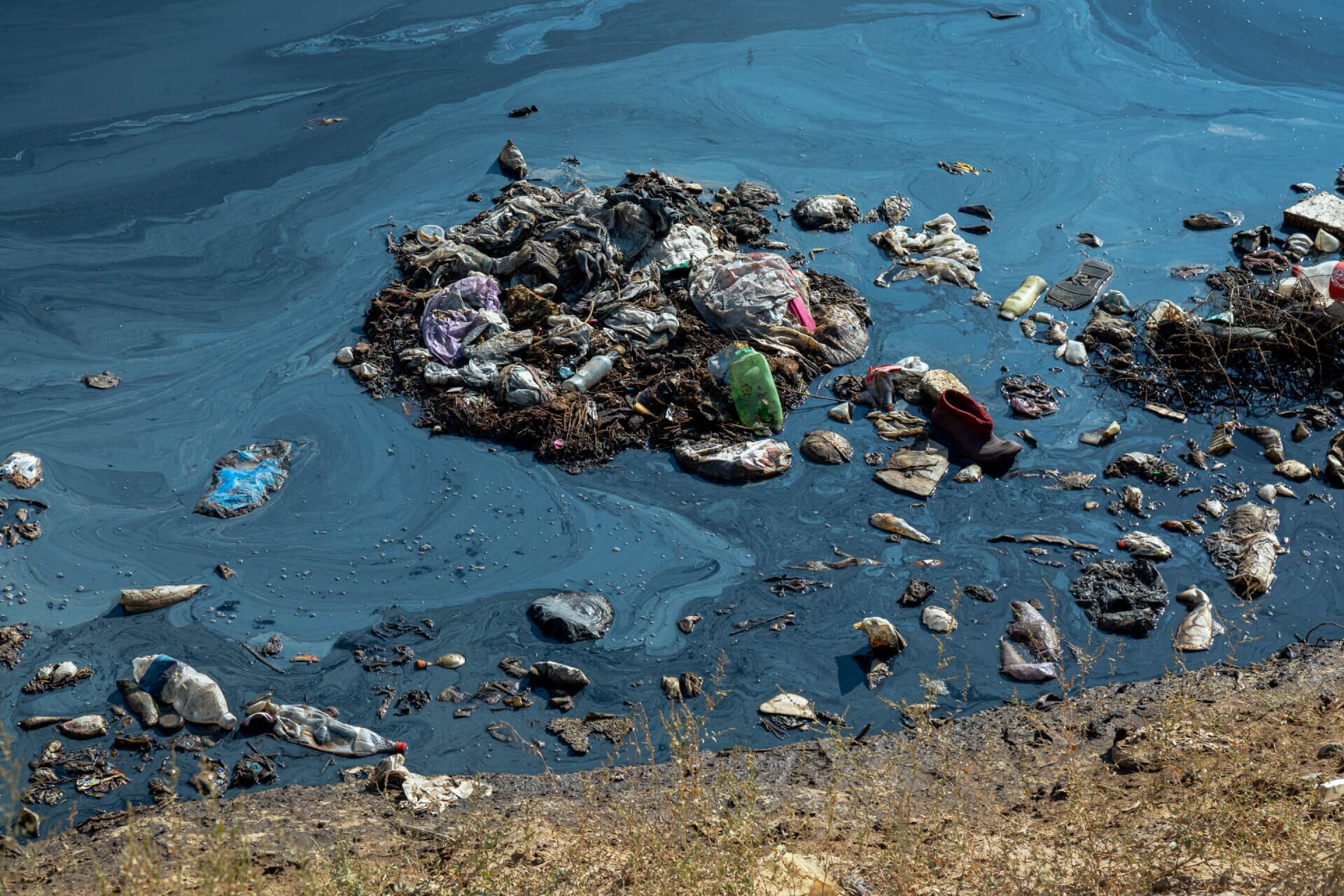
So, while proper hydration is a cornerstone to supporting your overall health, what may or may not be in your water is just as important as how much you drink. Despite the most basic levels of water purification treatment at municipal facilities, U.S. tap water can contain a surprising number of lingering pollutants, many of which are known or suspected to be endocrine hormonal disruptors.
Here are some of the most common and concerning:
"Forever Chemicals" (PFOA/PFOS): These are used in everything from nonstick pans to waterproof fabrics. According to the Environmental Working Group, PFAS is linked to developmental and reproductive toxicity, including low birth weight, thyroid disruption, harm to the male reproductive system, pregnancy-induced high blood pressure, and some evidence of infertility and shorter duration of breastfeeding.
Pesticides and Herbicides: Common agricultural runoff chemicals like Atrazine are known to interfere with hormone function, particularly estrogen production.3
Pharmaceutical Residues: Trace amounts of medications like ibuprofen, birth control hormones, antidepressants, and even antibiotics can end up in drinking water.4
Heavy Metals (Lead, Arsenic, Chromium-6): Exposure to certain metals can disrupt thyroid function and other endocrine systems.5
BPA and Other Microplastics: BPA and other microplastics in tap water are potential health hazards linked to endocrine disruption, potentially causing issues like infertility, metabolic disorders (like type 2 diabetes), and neurodevelopmental problems in children.6
Even in low doses, these contaminants can build up in the body over time, especially with daily, lifelong exposure.
How Water Contaminants Can Disrupt Hormone Health

The endocrine system is delicately balanced. It relies on precise signals to regulate essential functions like menstrual cycles, metabolism, stress response, fertility, and more. Many of the contaminants found in drinking water are known or suspected endocrine-disrupting chemicals (EDCs), substances that can interfere with these hormonal signals in subtle but significant ways.
Here's how they can affect your health:
Menstrual Irregularities: EDCs like BPA and phthalates can mimic estrogen, potentially disrupting ovulation and cycle regularity.7
Fertility Challenges: PFAS and Atrazine have been linked in studies to decreased fertility in both men and women.8
Mood & Energy Shifts: Because hormones help regulate mood and sleep, imbalances triggered by environmental toxins can contribute to fatigue, irritability, or anxiety.9
Thyroid Dysfunction: Heavy metals and chlorine byproducts can interfere with thyroid hormones, which regulate metabolism and energy.10
Long-Term Health Risks: Ongoing exposure may also increase the risk of metabolic disorders, certain cancers, or immune system issues.11
And while the levels of any one contaminant may seem small, the life-long cumulative effect, especially over years or decades, can be more significant than we realize.
Supporting Your Health Through Clean Water
The good news? You don't have to overhaul your entire life to reduce your exposure to hormone-disrupting chemicals in your daily drinking water. One of the most powerful places to start is right at your kitchen sink. Switching to a high-quality water filter can dramatically reduce your intake of these hidden trace toxins. Look for one that's independently tested to remove a wide spectrum of known or suspected endocrine disruptors. AquaTru filters, for example, remove:
- "Forever Chemicals" (PFOA/PFOS)
- Lead, Chromium-6, Arsenic
- Chlorine and Chloramine
- Pesticides like Atrazine
- Microplastics
- Pharmaceutical residues including ibuprofen, phenytoin, naproxen, and even trace hormones like estrone and bisphenol A (BPA)
By filtering out these contaminants, you're helping to improve the taste, and quality of your drinking water.
You can also support your overall health by:
- Eating organic when possible (to reduce pesticide exposure)
- Limiting plastics and choosing glass or stainless steel for food and drink storage
- Prioritizing quality sleep and stress management
- Avoiding harsh household chemicals that may add to your body's toxic exposure
Taking it a step further, you can also support your overall health and reduce your body's exposure to toxins through everyday habits, such as:
The Bottom Line: Water Purity Can Help Support Your Body
From the hormones that guide your cycle to the ones that influence your sleep, energy, beauty, and mood, your body relies on balance.
But even small, consistent exposures to hormone-disrupting chemicals in tap water can quietly disrupt that balance over time.
Thankfully, AquaTru's revolutionary water purification system is designed with your health in mind. Its patented 4-Stage Reverse Osmosis process removes harmful contaminants, delivering clean, pure, great-tasting water you can truly feel good about drinking in every season of life. If you're prioritizing your health, filtered water can be an essential act of self-care wellness.
CITATIONS
- https://pmc.ncbi.nlm.nih.gov/articles/PMC7139484/
- https://www.frontiersin.org/journals/public-health/articles/10.3389/fpubh.2020.553850/full
- https://usrtk.org/pesticides/atrazine/
- https://pmc.ncbi.nlm.nih.gov/articles/PMC3273502/#:~:text=Researchers%20have%20detected%20all%20sorts,and%20even%20causing%20sex%20change
- https://pmc.ncbi.nlm.nih.gov/articles/PMC11827576/
- https://pmc.ncbi.nlm.nih.gov/articles/PMC7541969/
- https://www.ncbi.nlm.nih.gov/books/NBK569327/
- https://www.niehs.nih.gov/research/supported/centers/core/spotlight/fertility
- https://www.healthline.com/health/environmental-toxins-and-your-hormones
- https://pmc.ncbi.nlm.nih.gov/articles/PMC11827576/
- https://pmc.ncbi.nlm.nih.gov/articles/PMC7644792/